
Introduction
If you’ve recently crossed the threshold into your 40s and noticed your body changing in ways you didn’t expect, you are not imagining things. How menopause affects weight gain after 40 is one of the most searched and least understood topics in women’s health today. You may be eating the same foods, moving the same amount, and living the same lifestyle — yet the scale keeps creeping upward. That stubborn belly fat that suddenly appeared seemingly overnight isn’t a failure of willpower. It’s biology.
National Institute on Aging — menopause overview
This comprehensive guide is designed specifically for American women navigating this transition. We’ll cover the science behind what’s happening in your body, why sudden weight gain in women during this phase is so common, and practical, evidence-based strategies you can start today — including the menopause diet 5-day plan to lose weight, 5 surprise foods to avoid, and real answers to your most pressing questions.
What Is Menopause, and When Does It Actually Start?
Menopause is clinically described because the factor whilst a lady has long past 12 consecutive months without a menstrual period. However, the hormonal changes that cause symptoms — including weight gain — often begin years earlier during a transitional phase called perimenopause, which can start in a woman’s late 30s or early 40s.
The average age of natural menopause in the United States is 51 years old, but perimenopause symptoms can begin anywhere from 8 to 10 years before that. This means millions of American women in their early 40s are already experiencing hormonal shifts that directly impact metabolism, fat distribution, and body composition.
The three key hormones involved are:
Estrogen — Declining estrogen levels are the primary driver of menopausal weight gain. Estrogen helps regulate body fat distribution. When levels drop, fat is redistributed from the hips and thighs (subcutaneous fat) to the abdomen (visceral fat).
Progesterone — Lower progesterone can cause water retention and bloating, which contributes to the feeling of sudden weight gain.
Testosterone — As testosterone also declines slightly, women lose lean muscle mass, which slows the metabolism significantly.
Understanding how these hormones shift helps explain why how menopause affects weight gain after 40 is not simply about calories in and calories out.
Why Sudden Weight Gain in Women Over 40 Happens
One of the most alarming experiences for women entering perimenopause is sudden weight gain in women that seems to appear almost overnight. You didn’t change your diet. You didn’t stop exercising. Yet your jeans no longer fit, and your belly feels bloated every morning.
Here are the core biological reasons this happens:
1. Metabolic Slowdown
Your metabolism naturally slows with age. By the time most women hit 40, they may be burning anywhere from 200 to 400 fewer calories per day than they did in their 30s. Over weeks and months, this metabolic gap leads to gradual but noticeable weight gain, even without any change in eating habits.
2. Loss of Lean Muscle Mass
Muscle burns more calories at rest than fat does. As estrogen and testosterone decline, women lose muscle mass more rapidly — a process called sarcopenia. Less muscle equals a slower metabolism, creating a compounding effect that makes weight management increasingly difficult.
3. Visceral Fat Accumulation
Estrogen once directed fat toward the hips, buttocks, and thighs. Without it, fat preferentially accumulates around the abdomen and organs — this is called visceral fat. Visceral fat is not just cosmetically frustrating; it is metabolically active and associated with increased risks of type 2 diabetes, heart disease, and chronic inflammation.
Harvard Health — visceral fat and health risks
4. Insulin Resistance
Hormonal shifts during menopause can make cells less responsive to insulin. This means blood sugar fluctuates more dramatically, cravings for carbs and sugar intensify, and the body stores more fat — particularly around the midsection. This is a key reason why sudden weight gain in women over 40 concentrates in the belly area.
American Diabetes Association — insulin resistance explained
5. Poor Sleep and Cortisol Spikes
Hot flashes, night sweats, and anxiety frequently disrupt sleep during menopause. Poor sleep increases cortisol (the stress hormone), which directly promotes fat storage — especially belly fat. Many women don’t connect their weight gain to sleep disruption, but the relationship is very real and well-documented in research.
6. Emotional Eating and Mood Changes
Estrogen has mood-stabilizing properties. As it drops, many women experience anxiety, irritability, or low mood. These emotional changes can drive comfort eating behaviors that weren’t present before, contributing to caloric surplus without conscious awareness. Recognizing this pattern is the first step toward addressing it.
How Long Does Menopause Weight Gain Last?
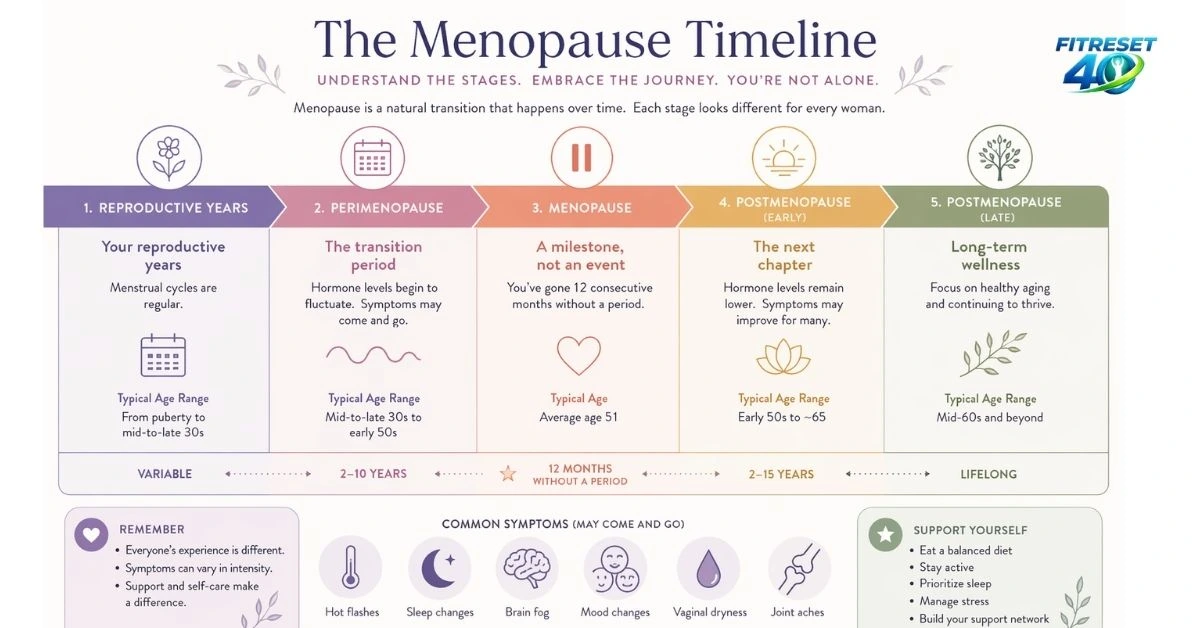
This is one of the most pressing questions women ask — and the honest answer is: it depends, but you have more control than you think.
How long does menopause weight gain last varies from woman to women based on genetics, lifestyle, stress levels, sleep quality, and whether she receives any hormonal or medical intervention. Here’s a general timeline based on available research:
Perimenopause (ages 40–51 on average): Weight gain often begins subtly and gradually during this phase, averaging about 1–2 pounds per year for many women. This is the time when proactive action is most impactful.
Mayo Clinic menopause definition and stages
The menopause transition year: The 12 months around the final period often bring more noticeable changes in body composition, even if the scale doesn’t change dramatically. This is when fat redistribution to the abdomen is most pronounced.
Post-menopause: For many women, weight gain tends to plateau within 2–5 years after their final period, especially when healthy lifestyle changes are in place and consistently maintained.
The good news? Menopause weight gain is not inevitable. Research consistently shows that women who maintain or increase physical activity levels during this transition experience significantly less weight gain and better outcomes. How long does menopause weight gain last is, in large part, shaped by the choices you make — not just your hormones.
Without lifestyle changes, however, some women continue to gain weight throughout their 50s and into their 60s, making early, informed action critically important.
How to Stop Menopause Weight Gain: 8 Evidence-Based Strategies
Understanding how to stop menopause weight gain starts with recognizing that your body now operates differently — and needs a different approach than what worked in your 30s. Here’s what the research consistently supports:
1. Prioritize Protein at Every Meal
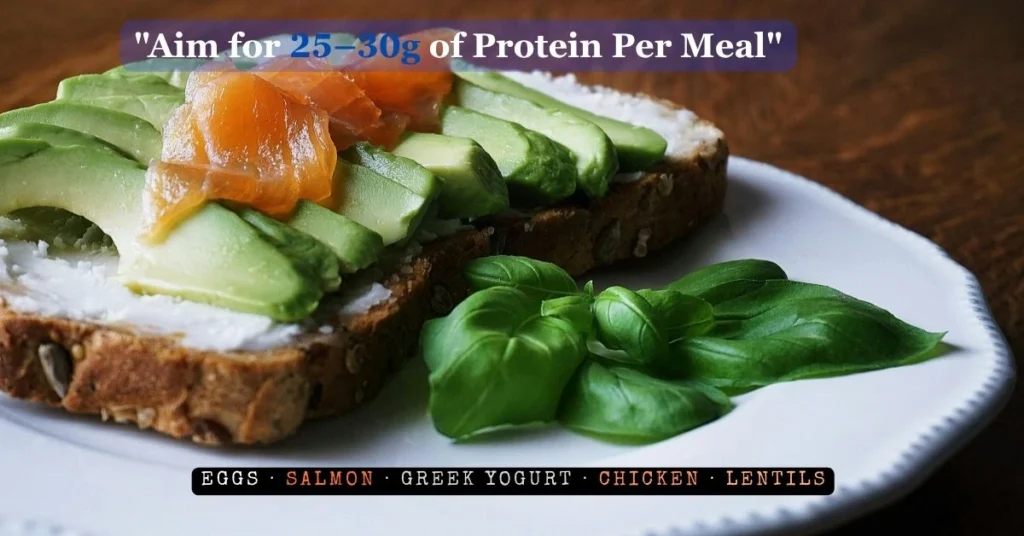
Protein preserves lean muscle mass, boosts satiety, and has a higher thermic effect than carbohydrates or fat (meaning your body burns more calories just digesting it). Aim for 25–30 grams of protein per meal. Good sources include eggs, Greek yogurt, chicken breast, salmon, lentils, and cottage cheese. Making protein the anchor of every meal is one of the most effective steps to stop menopause weight gain.
2. Strength Training Is Non-Negotiable
Cardio alone will not stop menopause weight gain. Resistance training — lifting weights, using resistance bands, or doing bodyweight exercises — is essential for rebuilding and preserving muscle mass. Women who strength train 2–3 times per week show measurable improvements in body composition, metabolic rate, and bone density — all critical during this life stage. Ultimate Weight Loss Guide After 40

3. Sleep 7–9 Hours Per Night
This is easier said than done during menopause, but sleep is profoundly connected to weight management. Prioritize sleep hygiene: keep a consistent schedule, keep your bedroom cool, and limit screen exposure before bed. Talk to your doctor about managing night sweats if they’re disrupting your sleep.
4. Manage Stress Actively
Chronic stress equals chronic cortisol equals chronic belly fat accumulation. Build stress management into your daily routine through yoga, meditation, journaling, walks in nature, or whatever genuinely helps you decompress. If you’re wondering how to stop menopause weight gain and you’re chronically stressed, stress reduction is non-negotiable.
5. Reduce Refined Carbohydrates and Sugar
Your body is now more insulin-sensitive. Foods that spike blood sugar quickly — white bread, pastries, sweetened beverages, and candy — cause larger insulin responses and promote fat storage more aggressively than they did in your 30s. Swapping these for lower-glycemic options makes a meaningful difference.
6. Increase Fiber Intake
Fiber slows digestion, keeps blood sugar stable, feeds healthy gut bacteria, and helps you feel full longer. Women should aim for 25 grams of fiber daily from vegetables, legumes, whole grains, and fruits. Fiber is one of the most underused tools for managing menopause-related weight gain.
7. Limit Alcohol Significantly
Alcohol disrupts sleep, increases cortisol, lowers inhibitions around food choices, and adds empty calories. Even moderate drinking can significantly worsen menopause symptoms and promote weight gain. Reducing or eliminating alcohol is one of the highest-impact changes a woman can make during this phase.
8. Talk to Your Doctor About Hormone Therapy
Hormone Replacement Therapy (HRT) or Menopausal Hormone Therapy (MHT) is not right for everyone, but for eligible women it can help manage symptoms and reduce the metabolic consequences of estrogen loss. This is a personal medical decision — discuss the benefits and risks thoroughly with your healthcare provider.
Weight Loss After Menopause 5 Surprise Foods to Avoid

When it comes to weight loss after menopause, most women focus on what they should eat more of. But what you eliminate can be just as powerful. Here are five marvel meals to keep away from that can be quietly sabotaging your weight reduction after menopause goals:
Surprise Food #1: Flavored Yogurt
Yogurt is often marketed as a health food, but many commercial flavored yogurts contain 20–30 grams of added sugar consistent with serving — almost as a whole lot as a sweet bar. Sugar spikes insulin and promotes fat storage, which is especially harmful for menopausal women with increased insulin resistance. Switch to plain, full-fat Greek yogurt and add your own fresh fruit for flavor.
Belly Fat After 40 Female: Causes, Exercises & How to Reduce It
Surprise Food #2: “Healthy” Granola and Granola Bars
Granola is dense with calories from oats, oil, and added sweeteners. A standard ¼ cup serving (far less than most people pour) can pack 200+ calories and 10–15 grams of sugar. Many granola bars marketed for wellness are, in reality, candy bars in disguise. Read ingredient labels carefully and opt for options with fewer than 5 grams of added sugar. This is one of the maximum left out meals to keep away from for weight reduction after menopause.
Surprise Food #3: Processed Vegetable Oils
Canola, soybean, corn, and sunflower oils are rich in omega-6 fatty acids, which in excess promote systemic inflammation. Chronic inflammation worsens insulin resistance and is directly linked to belly fat accumulation in post-menopausal women. Replace these with cold-pressed olive oil, avocado oil, or coconut oil for everyday cooking.
Surprise Food #4: Diet Sodas and Artificial Sweeteners
Counterintuitively, diet sodas do not support weight loss after menopause and may actually work against it. Research suggests artificial sweeteners can dysregulate hunger hormones, intensify cravings for sweet foods, and negatively alter gut microbiome diversity. Sparkling water with a squeeze of lemon or lime is a satisfying, metabolically friendly substitute.
Cleveland Clinic — artificial sweeteners and weight gain research
Surprise Food #5: Commercial “Whole Wheat” Bread
Bread labeled “whole wheat” or “multigrain” isn’t always what it appears. Many commercial varieties are made with enriched flour with minimal fiber content and spike blood sugar nearly as fast as white bread. If bread is part of your diet, look for products where 100% whole grain is the first listed ingredient and each slice provides at least 3 grams of fiber.
Eliminating or significantly reducing these 5 surprise foods is one of the fastest ways to accelerate weight loss after menopause without overhauling your entire lifestyle.
The Menopause Diet 5-Day Plan to Lose Weight
The menopause weight-reduction plan 5-day plan to shed pounds is not approximately deprivation or starvation. It’s about strategic, hormone-supportive eating that works with your changing biology. This plan focuses on four pillars: blood sugar stability, adequate protein, anti-inflammatory foods, and gut health support.
Note: These are general dietary suggestions only, not medical prescriptions. Consult your medical doctor or a registered dietitian earlier than beginning any new ingesting plan.
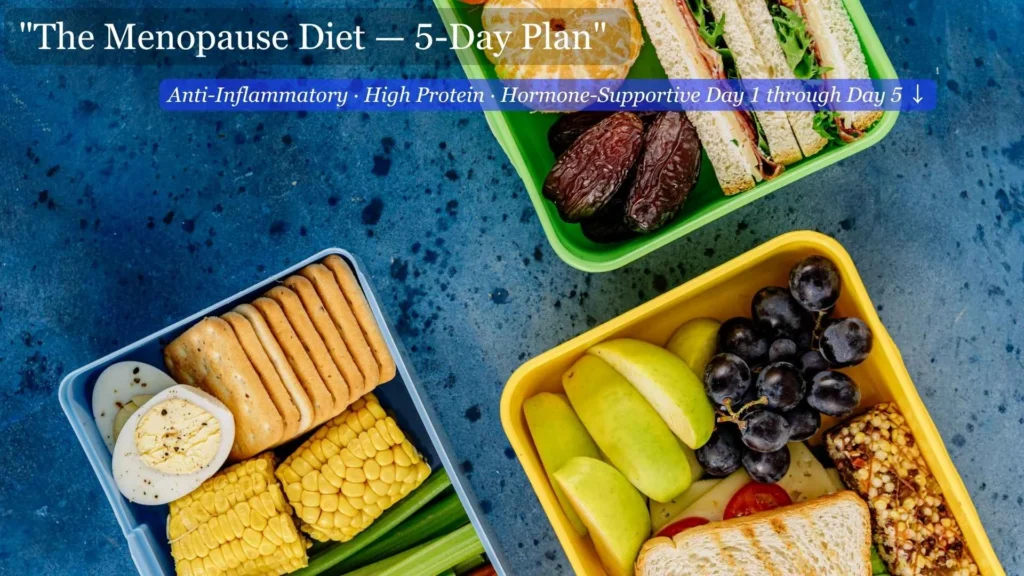
Day 1 — The Reset
Breakfast: 3 scrambled eggs with sautéed spinach, half an avocado, and a sprinkle of everything bagel seasoning. Black espresso or unsweetened natural tea.
Lunch: Large mixed green salad with grilled salmon, cucumber, cherry tomatoes, kalamata olives, and a lemon-olive oil dressing.
Snack: A small handful of walnuts paired with two squares of dark chocolate (70% cacao or higher).
Dinner: Herb-marinated grilled chicken thighs with roasted broccoli and a half-cup of quinoa.
Hydration goal: 80 oz water throughout the day.
Day 2 — Anti-Inflammation Focus
Breakfast: Full-fat plain Greek yogurt topped with fresh blueberries, chia seeds, and a generous sprinkle of cinnamon.
Lunch: Homemade lentil soup with a side of arugula drizzled with extra-virgin olive oil and fresh lemon juice.
Snack: Celery sticks with two tablespoons of natural almond butter.
Dinner: Baked cod with roasted candy potato wedges and steamed asparagus.
Hydration goal: 80 oz water + 1–2 cups of green tea.
Day 3 — Gut Health Priority
Breakfast: Overnight oats (rolled oats + chia seeds + unsweetened almond milk + cinnamon) topped with sliced fresh banana And a drizzle of uncooked honey.
Lunch: Turkey and avocado lettuce wraps with shredded carrots, cucumber, and a tahini drizzle.
Snack: 6 oz plain kefir — a naturally probiotic-rich fermented dairy beverage.
Dinner: Stir-fried tempeh with bok choy, red bell peppers, sesame oil, garlic, and ginger served over brown rice.
Hydration goal: 80 oz water + 1 cup chamomile tea before bed to support sleep.
Day 4 — Protein Power
Breakfast: Protein smoothie: 1 scoop unflavored whey or plant-based protein powder + 1 cup almond milk + 1 cup frozen spinach + ½ banana + 1 tablespoon almond butter.
Lunch: Cottage cheese bowl with sliced cucumbers, halved cherry tomatoes, fresh dill, and a crack of black pepper.
Snack: Two hard-boiled eggs with a pinch of sea salt.
Dinner: Grass-fed beef stir-fry with zucchini noodles, mushrooms, and garlic cooked in avocado oil, finished with fresh herbs.
Hydration goal: 80 oz water.
Day 5 — Hormone-Supportive Day
Breakfast: Flaxseed smoothie bowl: blend frozen acai, spinach, and almond milk. Top with 2 tablespoons of ground flaxseed (rich in lignans, a type of phytoestrogen), pumpkin seeds, and fresh raspberries.
Lunch: Chickpea and kale salad with tahini dressing, roasted red peppers, pumpkin seeds, and a squeeze of lemon.
Snack: Several slices of smoked wild-caught salmon served on cucumber rounds.
Dinner: Herb-roasted turkey breast with mashed cauliflower (made with olive oil and garlic) and sautéed green beans with slivered almonds.
Hydration goal: 80 oz water + 1 cup peppermint tea to support digestion.
The core principles behind the menopause diet 5-day plan to lose weight:
High protein at every meal (aim for 80–100 grams daily total)
Anti-inflammatory fats from olive oil, avocado, fatty fish, and walnuts
Fiber-rich vegetables and legumes at every meal
Low-glycemic, blood sugar-stabilizing food choices throughout the day
Probiotic and prebiotic foods to support gut health and hormonal metabolism
Minimal added sugar, processed foods, and zero alcohol
This plan can be cycled, repeated, or adapted based on your preferences. It serves as a template, not a rigid prescription.
The Role of Gut Health in Menopause Weight Gain

Emerging research is revealing a fascinating connection between the gut microbiome and menopause. The trillions of bacteria living in your digestive tract influence how your body metabolizes estrogen, manages inflammation, and extracts energy from food.
During menopause, gut microbiome diversity tends to decrease — a shift that may worsen hormonal imbalances and make weight gain more likely. Supporting gut health through fermented foods (kefir, kimchi, plain yogurt, sauerkraut), prebiotic fiber (garlic, onions, leeks, asparagus, bananas), and adequate daily hydration can meaningfully support both hormonal balance and healthy weight management.
This is why the menopause diet 5-day plan to lose weight includes dedicated gut-health focus days — because a healthier gut environment is foundational to everything else working properly.
Exercise: The Other Half of the Equation
Diet alone is not sufficient. Exercise — specifically the right kind of exercise — is essential to managing how menopause affects weight gain after 40. Here’s what research recommends by activity type:
Strength Training (2–3x per week): The most important exercise category for menopausal women. Compound movements like squats, deadlifts, rows, and presses rebuild muscle mass, boost resting metabolism, and improve bone density.
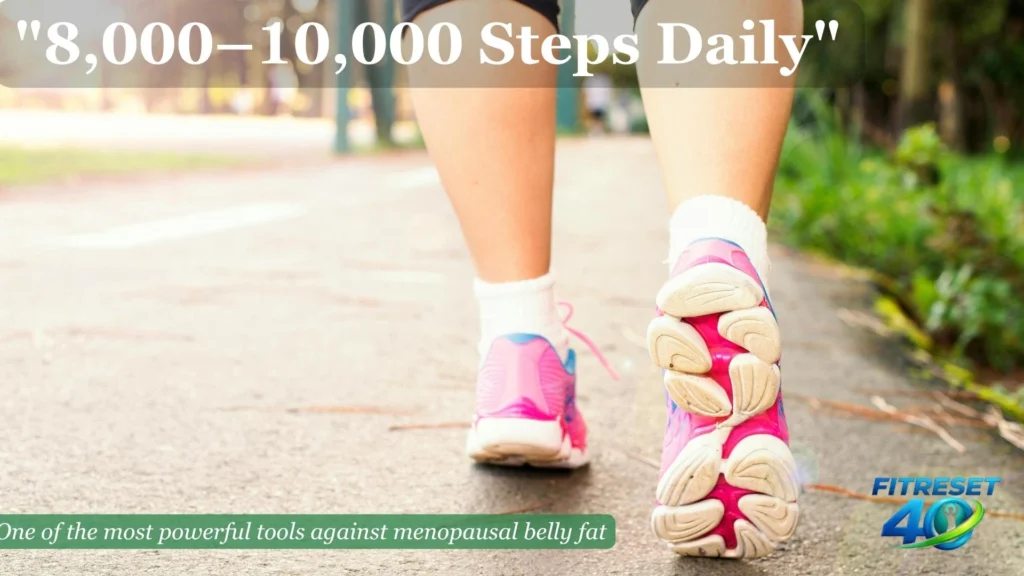
Daily Walking (8,000–10,000 steps): Associated with measurable reductions in visceral fat and improved insulin sensitivity. It’s accessible, low-impact, and deeply effective — especially when done consistently.
HIIT (2x per week, 20–30 minutes): High-Intensity Interval Training outperforms steady-state cardio for reducing menopausal belly fat in multiple research studies. Short, intense effort followed by recovery periods is more time-efficient and metabolically impactful.
Yoga and Pilates (2–3x per week): Reduces cortisol, improves flexibility, builds core strength, and provides emotional regulation support. Particularly valuable for managing the stress component of menopause weight gain.
The most important variable? Consistency over intensity. A sustainable routine done 4–5 days per week will deliver better long-term results than any extreme program done sporadically.
Frequently Asked Questions (FAQs)
Q1: Is menopause weight gain inevitable?
Johns Hopkins Medicine — menopause weight management tips
A: No — and this point deserves emphasis. While hormonal changes make weight management genuinely more challenging after 40, menopause weight gain is absolutely not inevitable. Women who engage in regular strength training, eat a protein-rich and low-glycemic diet, manage stress effectively, and prioritize quality sleep consistently show significantly better outcomes than those who don’t. Lifestyle choices remain powerfully influential, even in the face of significant hormonal change.
Q2: Why is my belly getting bigger even though I haven’t changed my eating habits?
A: This is the most common complaint heard from women in perimenopause — and it’s entirely explainable. Declining estrogen causes fat to be redistributed from the hips and thighs to the abdominal area. Simultaneously, increased insulin resistance means your body is more aggressively storing energy as fat, particularly around the midsection. It is biology at work — not personal failure, not lack of discipline.
Q3: How long does menopause weight gain last, and will it eventually stop?
A: For most women, the most significant changes in weight and body composition occur during the perimenopause-to-menopause transition — roughly a 5–10 year window. After menopause is fully established, many women find their weight naturally stabilizes, especially when healthy lifestyle habits are in place. That said, how long menopause weight gain lasts is meaningfully influenced by the proactive steps you take. The sooner you begin making supportive lifestyle changes, the shorter and milder this phase tends to be.
Q4: What are the most important foods to cut out during menopause?
A: You don’t need to eliminate any single food entirely, but the foods most consistently linked to worsened menopause weight gain include: added sugars, refined and processed carbohydrates, alcohol, ultra-processed packaged foods, and the 5 surprise foods listed earlier in this article — flavored yogurt, commercial granola bars, processed vegetable oils, diet sodas, and misleading “whole wheat” breads.
Q5: Does stress actually cause physical weight gain during menopause?
A: Yes — and quite significantly. Chronic stress triggers sustained cortisol release. Cortisol signals the body to store fat, especially visceral abdominal fat. During menopause, sensitivity to cortisol increases, meaning the same stress event causes a larger hormonal response and a greater tendency toward fat storage than it would have before. Stress management is not a luxury during this life phase — it is a biological necessity for weight management.
Q6: Can I realistically lose weight during and after menopause?
A: Absolutely. Weight loss during and after menopause is achievable — it simply requires a different strategy than what may have worked in earlier decades. Cutting calories alone is rarely sufficient or sustainable. The most effective approach combines high-protein, anti-inflammatory nutrition with consistent strength training, adequate sleep, stress management, and patience. Women in their 50s and 60s lose weight and meaningfully transform their body composition every single day. It takes commitment and a personalized approach — but it is very much possible.
Q7: Is intermittent fasting a good idea during menopause?
A: Intermittent fasting (IF) shows genuine promise for some menopausal women, particularly for improving insulin sensitivity and supporting fat loss. However, results vary widely — some women find that extended fasting windows increase cortisol and worsen hormonal symptoms like anxiety and hot flashes. If you’re curious about IF, begin with a gentle 12-hour overnight fast and observe how your body responds over 2–4 weeks. Always speak this method together with your healthcare issuer earlier than starting.
Q8: Are there supplements that actually help with menopause weight gain?
A: Some supplements have meaningful supporting evidence: magnesium glycinate (supports sleep quality and insulin sensitivity), vitamin D3 (deficiency is common in menopausal women and linked to increased weight gain), omega-3 fatty acids (anti-inflammatory and supportive of metabolic function), and probiotics (gut health and estrogen metabolism support). Herbal supplements like black cohosh may help some women with hot flashes, but evidence on weight specifically is mixed. Always seek advice from your physician earlier than including any complement in your routine.
Final Thoughts: Work With Your Body, Not Against It

Understanding how menopause affects weight gain after 40 is the foundation of taking informed, effective action. The sudden weight gain in women at this life stage is not a mystery — it is a predictable, hormonally driven response to a major biological transition that every woman navigates differently.
The most empowering truth is this: you have far more influence over the outcome than most women are told.
By choosing protein-centered meals, embracing strength training, improving sleep quality, reducing stress, understanding exactly which foods work against your changing metabolism, and following a structured plan like the menopause diet 5-day plan to lose weight, you can navigate this transition with clarity and confidence. Eliminating the 5 surprise foods that quietly derail progress makes a measurable difference. And remembering that how long does menopause weight gain last is largely shaped by your daily choices — not just your hormones — is one of the most liberating realizations you can reach.
You aren’t on my own in this. Tens of millions of American women are walking this same path right now. With the right information, the right strategy, and a commitment to sustainable habits, you can walk it with strength.
Final Medical Reminder: This article is purely for informational and educational purposes. I am not a doctor, nurse practitioner, registered dietitian, or any type of licensed healthcare professional. Every woman’s menopause experience is unique, and what works for one person may not be appropriate for another. Please consult your gynecologist, primary care physician, or a qualified registered dietitian to develop a personalized plan that accounts for your complete health history, current medications, lab values, and individual goals. Your health deserves that level of personalized, professional care.
Pingback: Why Weight Gain Happens After 40 During Menopause (Simple Explanation) – Site Title