
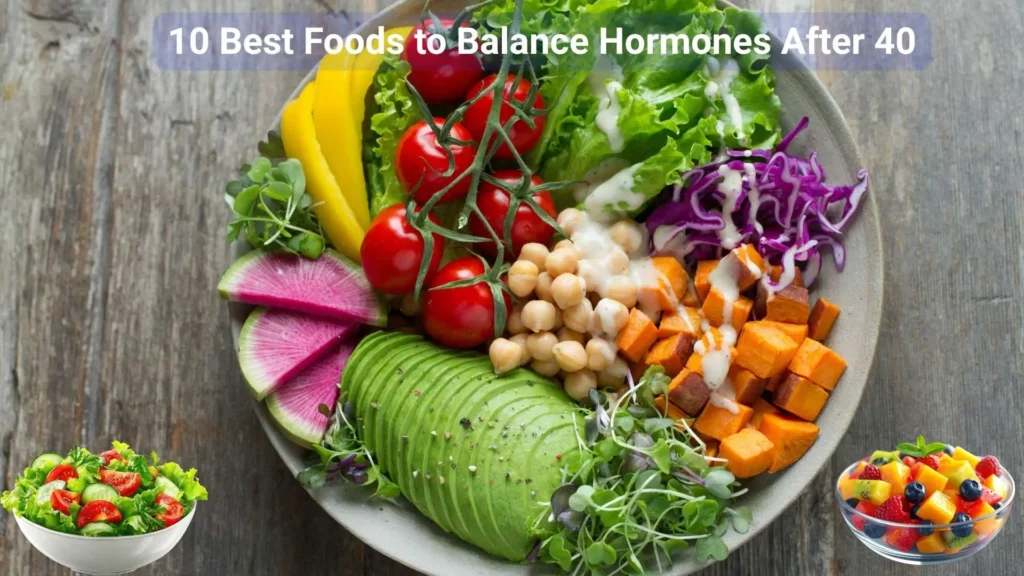
If you’ve been feeling exhausted, moody, bloated, or struggling to lose weight despite doing everything “right,” your hormones is probably at the foundation of it all. After 40, the body begins a natural hormonal shift — and what you eat plays a massive role In how nicely you navigate it. The good news? The 10 best foods to balance hormones after 40 are not exotic superfoods locked behind expensive supplements. They’re real, whole foods you can find at any grocery store. Whether you’re dealing with perimenopause, thyroid sluggishness, or unexplained weight gain, understanding the connection between your plate and your hormones is one of the most empowering steps you can take for your health.
Let’s spoil all of it down.
hormonal balance is essential…
Why Hormonal Balance Becomes Harder After 40
Before diving into the foods themselves, it helps to understand why your 40s tend to bring hormonal chaos. Estrogen, progesterone, testosterone, cortisol, insulin, and thyroid hormones don’t operate in isolation — they form a complex web. When one is off, others follow.

For women in their 40s, the most common hormonal shifts include:
Declining estrogen and progesterone as perimenopause begins
Rising cortisol due to chronic stress and poor sleep
Insulin resistance that makes weight control harder
Thyroid fluctuations that slow metabolism
What Is Menopause, and When Does It Actually Start?
A well-structured diet for hormonal imbalance can meaningfully reduce symptoms, support your body’s natural detox pathways, and give your endocrine system the raw materials it needs to do its job.
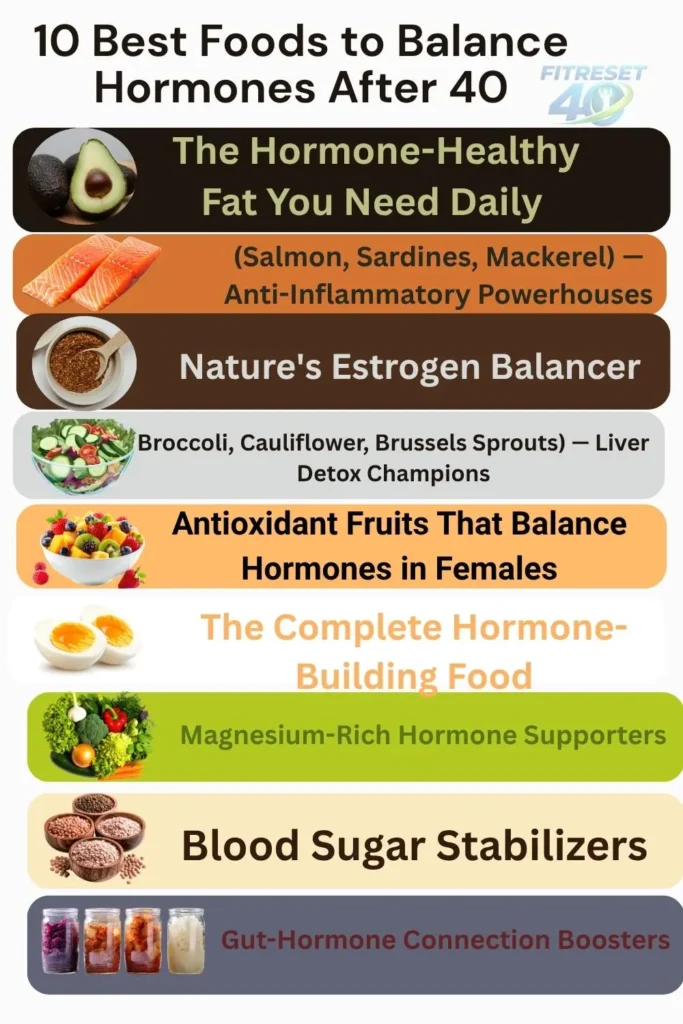
The 10 Best Foods to Balance Hormones After 40
1. Avocado — The Hormone-Healthy Fat You Need Daily
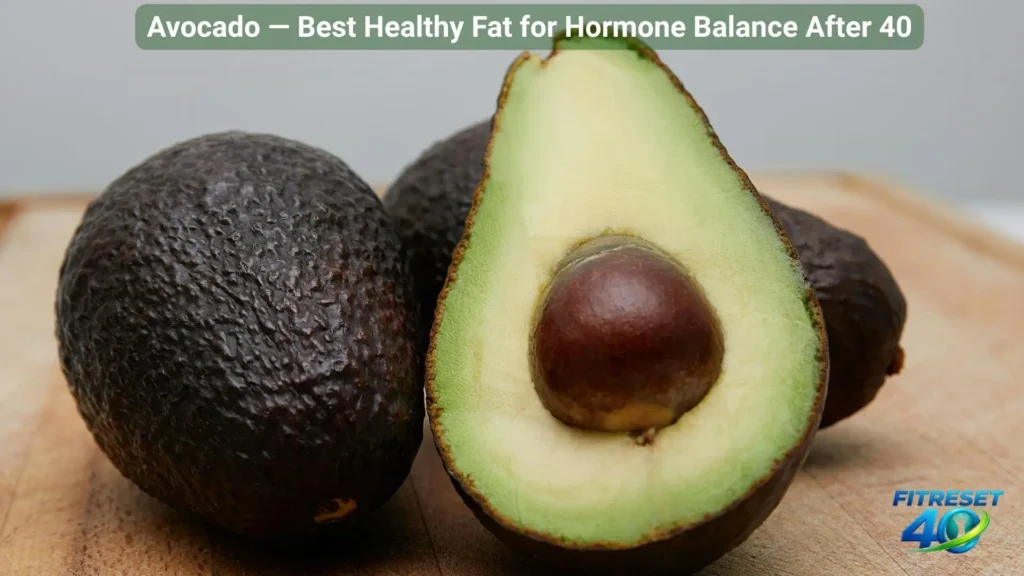
Avocados are among the most powerful 10 foods that help balance hormones because of their rich supply of beta-sitosterol, a plant sterol that directly influences cortisol levels. When cortisol stays chronically elevated, it suppresses progesterone production and disrupts the estrogen-progesterone ratio — a common source of mood swings, insomnia, and belly fat in women over 40.
Beyond that, avocados are loaded with healthy monounsaturated fats that the body uses to manufacture hormones. Sex hormones like estrogen and progesterone are made from cholesterol and fat. Eating healthy fats daily ensures your body has the building blocks it needs.
How to eat it: Add half an avocado to your morning smoothie, spread it on whole-grain toast, or slice it into salads. Aim for at least 4–5 servings in line with the week.
2. Fatty Fish (Salmon, Sardines, Mackerel) — Anti-Inflammatory Powerhouses
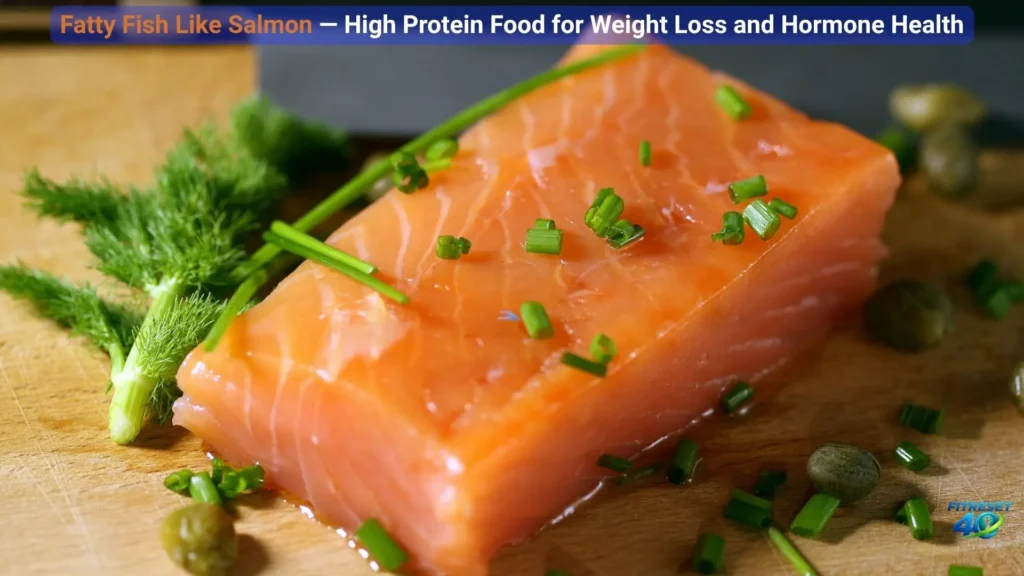
Chronic inflammation is one of the most under-discussed drivers of hormonal imbalance. Omega-3 fatty acids found abundantly in fatty fish are among the best natural anti-inflammatory compounds available. They help regulate the production of prostaglandins — hormone-like compounds that influence inflammation, pain, and menstrual cycles.
Fatty fish also count among the best high protein foods for weight loss, offering around 25–30 grams of protein per serving. Protein supports the liver’s detoxification of used hormones, stabilizes blood sugar, and promotes the release of satiety hormones like leptin and peptide YY.
How to eat it: Aim for two to three servings of wild-caught fatty fish per week. Bake, grill, or pan-sear with olive oil and herbs.
3. Flaxseeds — Nature’s Estrogen Balancer
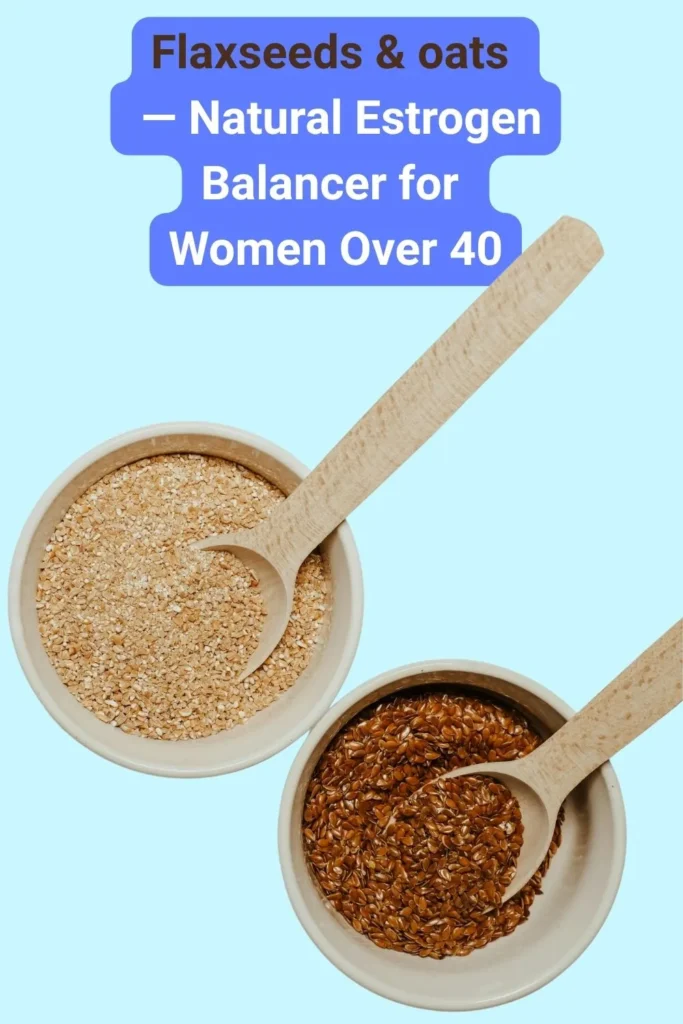
Flaxseeds are uniquely rich in lignans, a type of phytoestrogen that can help modulate estrogen activity in the body. This is especially valuable for women in perimenopause, where estrogen levels can swing wildly — sometimes too high, sometimes too low.
Lignans in flaxseeds work by binding to estrogen receptors, helping to moderate excess estrogen (which can cause heavy periods and breast tenderness) while also providing mild estrogenic support when levels are low. This adaptogenic quality makes flaxseeds one of the best dietary tools in a diet for hormonal imbalance.
They’re also an excellent source of fiber, which is critical for eliminating excess estrogen through the bowel. When constipation is present, used estrogens get recirculated — worsening hormonal imbalance.
How to eat it: Add 1–2 tablespoons of ground flaxseeds to oatmeal, yogurt, or smoothies daily. Ground is higher than entire for absorption.
4. Cruciferous Vegetables (Broccoli, Cauliflower, Brussels Sprouts) — Liver Detox Champions
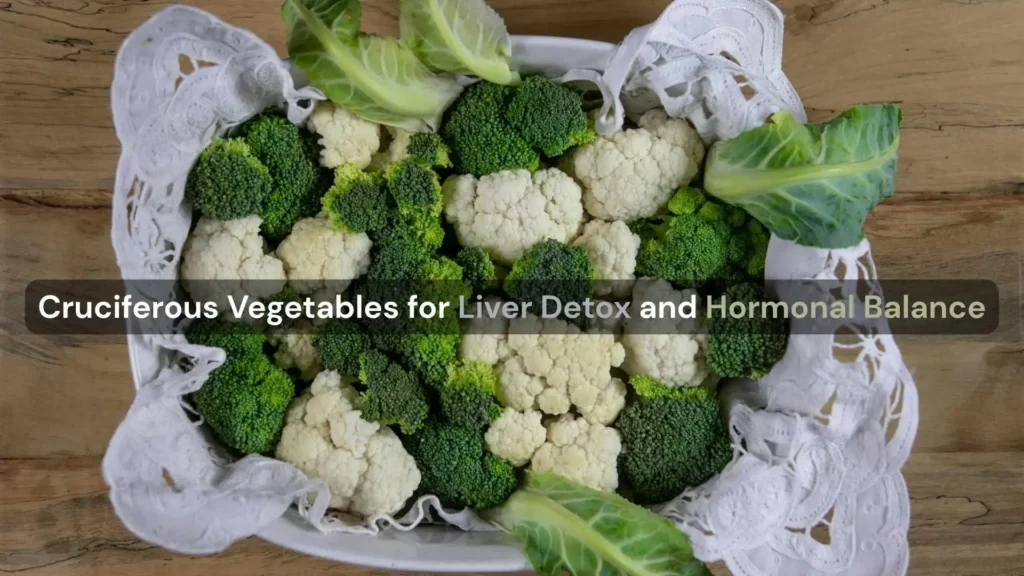
Your liver is your primary hormone-detox organ. Every day, it processes and eliminates used hormones, including estrogens. When the liver is overburdened — by alcohol, processed foods, medications, or environmental toxins — hormone metabolism slows down, and you end up with too much circulating estrogen relative to progesterone.
Cruciferous vegetables contain a compound called DIM (diindolylmethane), formed when you chew and digest them. DIM helps the liver convert potent estrogens into weaker, safer forms, reducing the risk of estrogen dominance symptoms like bloating, temper swings, and weight advantage across the hips and thighs.
These vegetables are also high in fiber and sulforaphane, which upregulates the liver’s detox enzymes.
How to eat it: Steam lightly rather than boil (boiling destroys enzymes). Aim for 1–2 cups daily. Roasting with olive oil and garlic is a delicious option.
5. Berries (Blueberries, Strawberries, Raspberries) — Antioxidant Fruits That Balance Hormones in Females
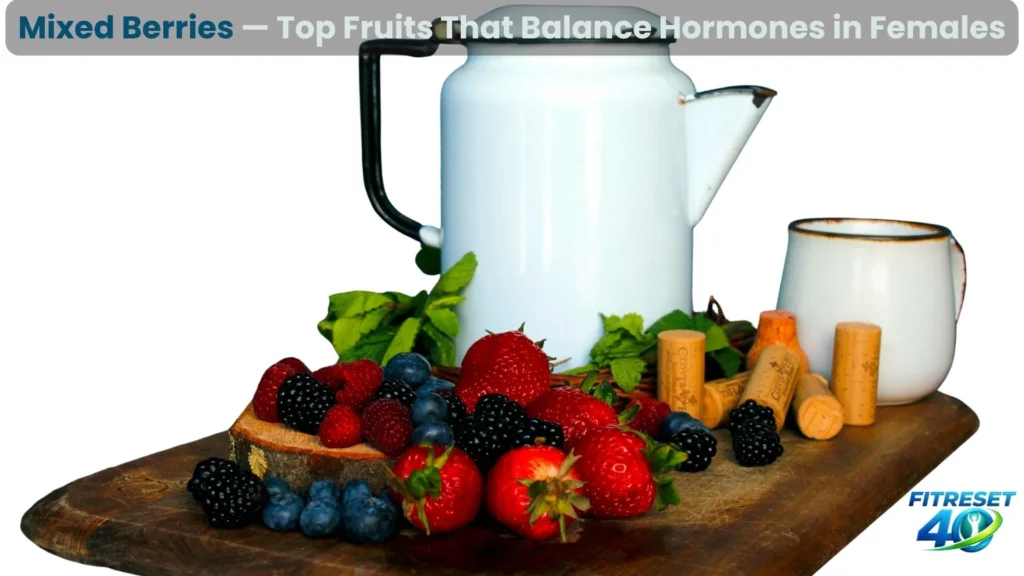
When we talk about fruits that balance hormones in females, berries consistently sit at the top of the list. They are densely packed with antioxidants — specifically anthocyanins and vitamin C — that combat oxidative stress, a key driving force of hormonal disruption.
Vitamin C, found abundantly in strawberries and raspberries, is essential for progesterone production. Research suggests that low vitamin C is associated with insufficient progesterone — which is one reason so many women over 40 struggle with estrogen-dominance symptoms.
Berries are also low-glycemic, meaning they don’t spike blood sugar like tropical fruits or fruit juices do. Keeping blood sugar stable is foundational to any diet for hormonal imbalance, as blood sugar spikes trigger insulin surges — and chronically high insulin disrupts nearly every other hormone in the body.
How to eat it: Add a cup of mixed berries to your breakfast bowl, blend into smoothies, or devour as a standalone snack. Fresh or frozen, each painting beautifully.
6. Eggs — The Complete Hormone-Building Food
Eggs are one of the most nutritionally complete foods on the planet, and they’re absolutely essential to include in any discussion of 10 foods that help balance hormones. The yolk specifically contains cholesterol — the raw material from which your body synthesizes estrogen, testosterone, progesterone, and cortisol.
Don’t be terrified of the ldl cholesterol in eggs. Dietary cholesterol has minimal impact on blood cholesterol for most people, and without adequate dietary fats and cholesterol, hormone production literally cannot happen efficiently.
Eggs are also rich in choline, which supports liver function and estrogen metabolism, as well as B vitamins that are critical for the methylation cycle — a biochemical process central to hormonal health.
As one of the best high protein foods for weight loss, eggs also support satiety and muscle maintenance. After 40, preserving lean muscle mass becomes increasingly important for metabolic health and insulin sensitivity.
How to eat it: Two whole eggs daily is a reasonable starting point. Scrambled, poached, or hard-boiled all retain nutritional value.
7. Leafy Greens (Spinach, Kale, Swiss Chard) — Magnesium-Rich Hormone Supporters
Magnesium deficiency is extraordinarily common in American women — and it’s one of the most impactful nutritional shortfalls on the subject of hormonal balance. Magnesium plays a role in over 300 enzymatic reactions in the body, including the regulation of cortisol, insulin, and thyroid hormones.
Leafy greens are among the richest dietary sources of magnesium. They also provide folate (critical for DNA methylation and estrogen metabolism), iron, and calcium. Kale and spinach are among the best fruits that balance hormones in females — wait, they’re vegetables, but the point stands: green plants are as hormonally powerful as any fruit.
Additionally, the fiber in leafy greens feeds your gut microbiome. Your gut bacteria play a direct role in estrogen metabolism through the “estrobolome” — a collection of gut microorganisms that assist alter circulating estrogen levels.
How to eat it: Aim for 2–3 cups daily. Sauté with garlic and olive oil, blend into smoothies (you won’t taste spinach in a berry smoothie), or Use as a base for salads.
8. Legumes (Lentils, Chickpeas, Black Beans) — Blood Sugar Stabilizers
One of the most underappreciated aspects of hormonal balance after 40 is blood sugar regulation. Insulin resistance — where cells stop responding properly to insulin — becomes increasingly common with age, especially in women transitioning through perimenopause. Chronically elevated insulin suppresses sex hormone-binding globulin (SHBG), which leads to excess free testosterone and worsens symptoms of hormonal imbalance.
Legumes are rich in complex carbohydrates, fiber, and plant protein — a combination that slows glucose absorption and promotes steady blood sugar. This makes them indispensable in any diet for hormonal imbalance designed for women over 40.
Lentils and chickpeas also contain isoflavones and phytoestrogens that can gently modulate estrogen receptor activity, similar to flaxseeds.
How to eat it: Incorporate legumes three to four times per week. Add lentils to soups, toss chickpeas into salads, or make black bean tacos with fresh salsa.
9. Pumpkin Seeds — Zinc and Healthy Fat in One Handful
Pumpkin seeds deserve far more attention than they typically get in hormone conversations. They are one of the richest plant-based sources of zinc, a mineral that is essential for estrogen receptor sensitivity, thyroid hormone production, and progesterone synthesis.
Zinc deficiency has been linked to PMS, PCOS, irregular periods, and thyroid dysfunction — all conditions rooted in hormonal imbalance. For women over 40, where progesterone naturally starts declining, getting enough zinc from food is a smart nutritional strategy.
Pumpkin seeds are also rich in healthy fats, magnesium, iron, and tryptophan — a precursor to serotonin and melatonin. Better serotonin balance means improved mood and sleep, both of which are tightly connected to hormonal health.
How to eat it: A quarter cup of raw or lightly roasted pumpkin seeds makes an excellent snack. Sprinkle over salads, oatmeal, or yogurt.
10. Fermented Foods (Greek Yogurt, Kefir, Kimchi, Sauerkraut) — Gut-Hormone Connection Boosters
The gut-hormone axis is one of the most exciting frontiers in nutritional medicine. Your gut microbiome directly influences how estrogen is processed and recycled in the body. A healthy, diverse microbiome supports healthy estrogen clearance. An imbalanced one (called dysbiosis) recirculates excess estrogens back into circulation, worsening symptoms.
7 Day High Protein Diet Plan for Women Over 40
Fermented foods like Greek yogurt, kefir, kimchi, and sauerkraut provide live beneficial bacteria that replenish and diversify your gut flora. Greek yogurt and kefir also qualify as high protein foods for weight loss, making them doubly valuable — they support both hormonal health and body composition simultaneously.
When choosing yogurt and kefir, opt for full-fat, plain, unsweetened versions. The fat supports hormone production; the added sugar in flavored versions does more harm than good.
How to eat it: A cup of plain Greek yogurt or kefir daily is ideal. Add kimchi or sauerkraut as a side dish two to three times per week.
Building Your Diet for Hormonal Imbalance: Putting It All Together
Now that you know the 10 best foods to balance hormones after 40, the next step is integration. Here’s an easy each day framework:
NIH recommends balanced nutrition for metabolic health
Morning:
- Plain Greek yogurt or kefir with mixed berries and ground flaxseeds
- Two eggs, scrambled with spinach
- Green tea (supports liver detox and provides L-theanine for cortisol modulation)
Midday:
- Large salad with leafy greens, half an avocado, chickpeas, and pumpkin seeds
- Wild salmon or sardines at the side
- Water with lemon
Afternoon Snack:
- A handful of pumpkin seeds
- A small piece of fruit (berries preferred)
Evening:
- Stir-fried cruciferous vegetables with tofu or salmon
- Lentil soup or black bean dish
- A small serving of kimchi or sauerkraut on the side
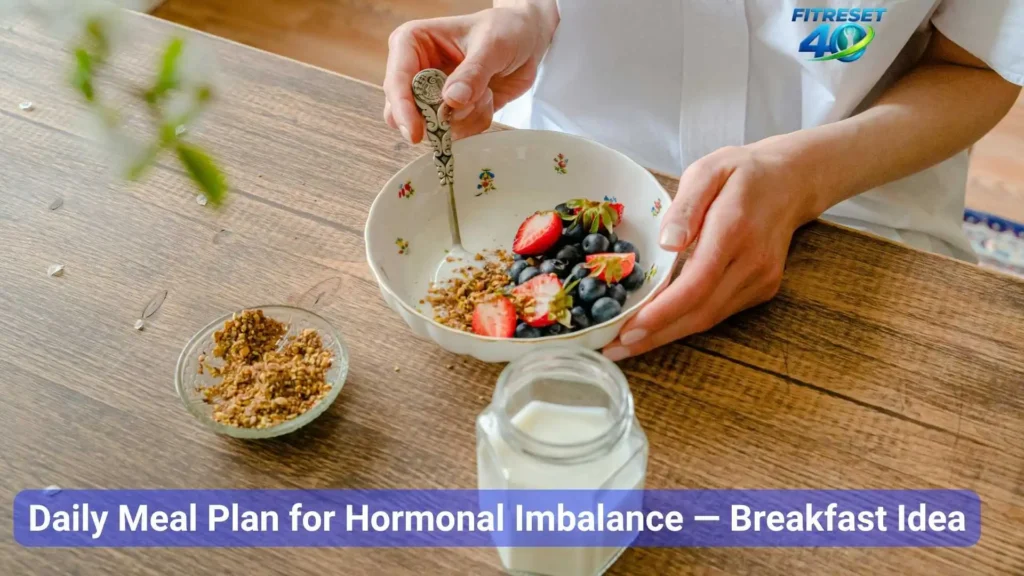
This isn’t always an inflexible meal plan — it is a framework. Consistency over perfection is what drives hormonal results.
Foods to Avoid When Following a Diet for Hormonal Imbalance
While loading up on the beneficial foods above, it’s equally important to reduce or eliminate these hormone disruptors:
Refined sugar and processed carbohydrates — spike insulin and promote inflammation
Alcohol — impairs liver detox of estrogens and disrupts sleep hormones
Industrial seed oils (canola, soybean, corn oil) — promote inflammation and oxidative stress
Conventional dairy and non-organic meat — may contain synthetic hormones
Ultra-processed foods — often contain xenoestrogens (chemical estrogen mimics) from plastics and additives

Frequently Asked Questions (FAQs)
What foods throw a woman’s hormones off balance?
Several common foods and dietary patterns can significantly disrupt hormonal balance in women. Refined sugars and simple carbohydrates are among the biggest culprits — they spike insulin rapidly, which then interferes with sex hormones, cortisol, and thyroid function. Alcohol impairs the liver’s ability to break down and eliminate used estrogens, leading to estrogen buildup. Conventional, non-organic meat and dairy may contain synthetic growth hormones that mimic estrogen in the body. Highly processed foods often contain BPA and other xenoestrogens leaching from packaging. Excess caffeine can overstimulate the adrenal glands, raising cortisol and disrupting the cortisol-estrogen connection. Perhaps most insidiously, trans fats and industrial seed oils found in fried foods, fast food, and packaged snacks promote systemic inflammation — and inflammation is one of the most powerful disruptors of endocrine (hormonal) function. For girls over forty following a food regimen for hormonal imbalance, disposing of or dramatically decreasing those objects is just as important as adding the right foods.
What are the 5 signs of hormonal imbalance?
Hormonal imbalances can manifest in dozens of ways, but these five signs are among the most commonly reported — and often most frustrating — for women over 40:
Unexplained weight gain, particularly around the abdomen — This is often driven by elevated cortisol or insulin resistance, both of which favor fat storage in the midsection. Even women eating the same diet and exercising the same amount may notice sudden weight changes when hormones shift.
Fatigue that doesn’t improve with rest — Persistent, bone-deep exhaustion despite adequate sleep often points to thyroid dysfunction, adrenal fatigue, or imbalanced cortisol rhythms.
Mood swings, anxiety, and irritability — As progesterone levels decline in perimenopause, the calming, anti-anxiety effect it normally provides diminishes. Low progesterone combined with fluctuating estrogen can cause significant emotional instability.
Sleep disruption and night sweats — Declining estrogen affects the hypothalamus, the brain region that regulates body temperature and sleep cycles. Hot flashes and night sweats are hallmark signs of perimenopausal hormonal shifts.
Brain fog and poor concentration — Estrogen plays a protective role in cognitive function. As levels fluctuate and decline, many women experience forgetfulness, difficulty concentrating, and mental cloudiness — sometimes referred to as “menopause brain.”
If you recognize several of these symptoms, speaking with a qualified healthcare provider about hormone testing is a wise first step.
What is the 3 day hormone reset?
The “3-day hormone reset” is a short-term dietary protocol that has gained popularity online and in wellness circles. The general concept involves eliminating the most disruptive foods — alcohol, caffeine, refined sugar, gluten, and dairy — for three days while flooding the body with nutrient-dense whole foods, anti-inflammatory fats, clean proteins, and plenty of hydration. Proponents suggest this brief reset can reduce bloating, improve energy, and support the liver’s ability to clear excess hormones. Beginner-Friendly Strength Plan + 30 Day Challenge
Some versions incorporate fasting windows, herbal teas (like spearmint, which has been studied for its anti-androgenic properties), seed cycling, and stress-reduction practices like walking and journaling.
While three days is unlikely to fundamentally reverse a long-standing hormonal imbalance, it can be a useful kickstart — especially for women who eat a lot of processed food and want a reset point. The value lies not in the three days themselves, but in the habits and awareness it builds. Think of it as a reset of your palate and attention, not a medical intervention.
Note: A 3-day hormone reset is not a medically established clinical protocol. Anyone with a diagnosed hormonal condition should work with their healthcare provider before beginning any dietary intervention.
How to balance hormones naturally for a female over 40?
Balancing hormones naturally after 40 is absolutely achievable — and food is the most powerful place to start. Here’s a practical, evidence-informed approach:
1. Prioritize a whole-food diet. Build every meal around the 10 best foods to balance hormones after 40 outlined in this article. Reduce processed foods, refined sugar, and alcohol as much as possible.
2. Stabilize blood sugar. Eat protein at every meal, pair carbohydrates with fat and fiber, and avoid skipping meals. Blood sugar stability is the foundation of hormonal balance.
3. Support your liver. Your liver is the engine of hormone metabolism. Eat cruciferous vegetables daily, stay hydrated, minimize alcohol, and consider a morning glass of warm lemon water to support bile flow.
4. Address gut health. Include fermented foods daily and eat a wide variety of fiber-rich vegetables to feed beneficial gut bacteria. A healthy microbiome is essential for proper estrogen metabolism.
5. Manage cortisol. Chronic stress is one of the most powerful hormone disruptors. Practices like daily walks, journaling, yoga, breathwork, and adequate sleep are not optional extras — they are part of your hormone protocol.
6. Prioritize sleep. Melatonin, cortisol, insulin, and sex hormones all have circadian rhythms tied to sleep. Seven to nine hours of quality sleep per night is non-negotiable for hormonal health.
7. Consider targeted supplementation. Magnesium glycinate, vitamin D3, omega-3s, and adaptogenic herbs like ashwagandha have meaningful research supporting their use for hormonal balance. Always consult your doctor before starting new supplements.
8. Work with a healthcare provider. Natural strategies are powerful, but they work best when guided by proper lab testing. Ask your doctor about hormone panels including estradiol, progesterone, FSH, LH, DHEA-S, cortisol, fasting insulin, and full thyroid panels.
Final Thoughts: Your Plate Is Your Most Powerful Hormone Tool
Hormonal shifts after 40 are real, measurable, and — for many women — deeply disruptive. But they are not inevitable suffering. The 10 best foods to balance hormones after 40 outlined here are not a cure, but they are a profoundly effective foundation. Incorporating these 10 foods that help balance hormones consistently, while reducing dietary hormone disruptors, can make a dramatic distinction in the way you experience to your 40s, 50s, and beyond.
Think of your diet for hormonal imbalance as a long-term investment. Each meal is a vote for or against your hormonal health. Choose high protein foods for weight loss and metabolic stability. Reach for the fruits that balance hormones in females like berries over sugary juice. Let cruciferous vegetables, fatty fish, legumes, and fermented foods become your daily allies.
You do not want to be perfect. You want to be consistent.
This article is meant for informational functions only. The author is not a doctor, registered dietitian, or licensed medical professional. This content material does now no longer represent clinical recommendation and have to now no longer be used to diagnose or deal with any fitness condition. Always consult a qualified healthcare provider before making changes to your diet, especially if you have a diagnosed medical condition or are taking medications.