
Menopause isn’t a disease. It is not something happening to you – it is something your body is moving through. But if you are in the middle of it right now, that distinction may feel completely useless. The hot flashes, the sleepless nights, the mood swings, the fog, the fatigue – they are very, very real. That is exactly why so many women across the United States are searching for 7 natural ways to manage menopause symptoms that do not involve immediately jumping to hormone therapy or prescription medication.
This manual is for you. Whether you are in perimenopause, full menopause, or navigating post menopause, these evidence-informed, lifestyle-based strategies can help you feel extra like yourself again – without the overwhelm. Mayo Clinic menopause overview
Understanding What Is Actually Happening in Your Body
Before diving into solutions, it facilitates the apprehension of the landscape. Menopause is formally described as going 12 consecutive months without a menstrual period. But the symptoms? Those often start years earlier, during perimenopause, when estrogen and progesterone levels begin to fluctuate unpredictably.
That hormonal rollercoaster is responsible for nearly everything you are experiencing: hot flashes and night sweats, disrupted sleep and exhaustion, mood changes and anxiety, brain fog and memory issues, weight gain particularly around the midsection, joint aches, vaginal dryness, and decreased libido. These are hormonal signals – now no longer personal flaws. And while you cannot stop the biological clock, you absolutely can influence how your body responds to these changes, naturally and powerfully.
The transition generally unfolds in 3 phases. Perimenopause can begin as early as your late 30s but most commonly starts in your mid-40s and lasts everywhere from four to ten years. Menopause itself is a single moment in time – that 12-month mark without a period. And post menopause is the whole lot that follows. Understanding which phase you are in helps you choose the most targeted strategies.
How to Stop Menopause From Happening – The Honest Answer
Let us address this head-on because it is one of the most searched questions women ask: how to stop menopause from happening.
The short, compassionate answer is: you cannot stop it, and you should not want to. Menopause is a natural biological transition that every woman with ovaries will eventually experience. However – and this is a very big however – you can significantly reduce the severity of your symptoms, delay the acceleration of hormonal decline with certain lifestyle choices, and make this transition far more manageable than you might fear.
Premature menopause (before age 40) can sometimes be triggered or accelerated by smoking, extreme weight loss, certain medical treatments like chemotherapy, or autoimmune conditions. Avoiding these risk factors matters considerably. But for natural menopause? The focus should shift entirely from stopping it to thriving through it.
What science does tell us is that lifestyle factors influence how your body handles hormonal fluctuations. Women who are physically active, maintain a healthy weight, eat a nutrient-dense diet, prioritize sleep, and manage chronic stress consistently report milder symptoms. You may not be able to control the transition itself – but you have enormous influence over your experience of it.
That is exactly where the following 7 strategies come in.
7 Natural Menopause Treatments That Really Work
1. Prioritize Phytoestrogens in Your Diet
If there is one place to start when exploring 7 natural menopause treatments that really work, it is your plate.
Phytoestrogens are plant-based compounds that weakly mimic estrogen in the body. For women whose estrogen levels are declining, foods rich in phytoestrogens can offer gentle, natural hormonal support. Multiple studies have found that women in countries like Japan – where soy consumption is significantly higher than in the United States – report far fewer and less severe menopausal symptoms than Western women.
The science is not perfectly settled, but the evidence is encouraging enough that adding phytoestrogen-rich foods to your regular diet is a low-risk, high-potential strategy. The main categories include isoflavones (found in soy foods), lignans (found in flaxseed), and coumestans (found in clover sprouts and alfalfa).
Top phytoestrogen-rich foods to include regularly:
- Whole soybeans, edamame, and tofu
- Flaxseeds, particularly ground flaxseed
- Chickpeas and lentils
- Sesame seeds
- Tempeh and miso
Try adding two tablespoons of ground flaxseed to your morning smoothie or oatmeal. Swap one meal per week to include tofu or tempeh. These are small, sustainable shifts that compound meaningfully over time.
Tip: If you have a history of hormone-sensitive conditions like certain types of breast cancer, talk to your physician earlier than drastically growing phytoestrogen intake. I am not a doctor – please get guidance that is personalized to your health history.
2. Foods That Help With Menopause Naturally – Beyond Phytoestrogens
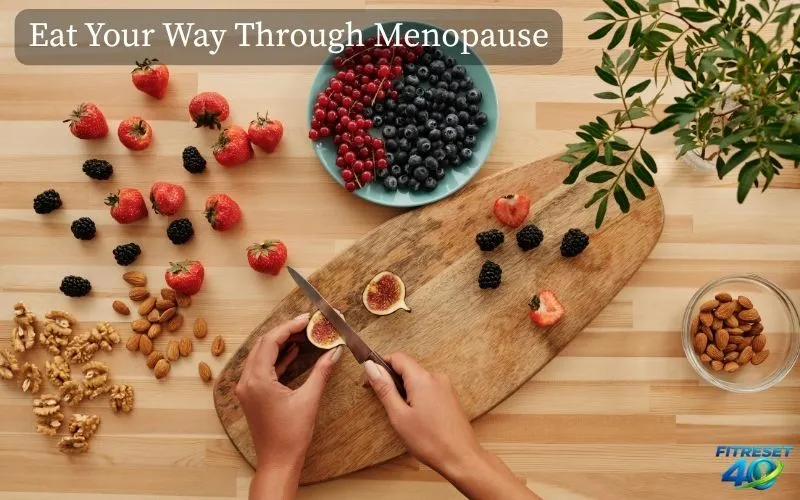
Phytoestrogens are just the beginning. The broader category of foods that help with menopause naturally encompasses a wide range of nutrients that support hormonal balance, bone density, mood stability, and sustained energy throughout the day. Harvard Health — phytoestrogens
Calcium and Vitamin D – Non-Negotiables
After menopause, estrogen decline hastens bone loss. Women can lose up to twenty percent in their bone density with inside the 5 to seven years following menopause – a staggering statistic that makes calcium and vitamin D not optional but urgent.
Best dietary sources of calcium include dairy products like milk, yogurt, and cheese; fortified plant milks; sardines and canned salmon consumed with their bones; kale, bok choy, and broccoli. For nutrition D, intention for 15-20 mins of daylight publicity each day whilst possible, and do not forget supplementation if you stay in a northern weather or paintings indoors. Your physician can check your levels.
10 Best Foods to Balance Hormones After 40
Omega-3 Fatty Acids – For Mood, Joints, and Heart Health
Omega-3 fatty acids are powerful anti-inflammatory compounds that support brain function, cardiovascular health (a key concern after menopause, when heart disease risk increases), and may help reduce the frequency of hot flashes according to emerging research.
Best sources include wild-caught salmon, mackerel, and sardines; walnuts and chia seeds; and flaxseed oil. Aim for two to three servings of fatty fish per week, or consider a high-quality omega-3 supplement.
Magnesium – The Unsung Hero
Magnesium supports sleep quality, reduces anxiety, eases muscle cramps, and plays a role in over 300 biochemical reactions in the body. Many American women are quietly deficient in this mineral – and menopause makes that deficiency even more problematic. Best dietary sources include dark chocolate (yes, really), almonds, cashews, pumpkin seeds, spinach, black beans, and avocado.
Foods to Limit or Avoid
As important as what you eat is what you dial back. These are well-documented symptom triggers for many women experiencing menopause: spicy foods (can trigger or worsen hot flashes in many women), caffeine especially in the afternoon and evening (disrupts sleep architecture and can amplify anxiety), alcohol (disrupts sleep cycles, elevates cortisol, and can worsen hot flashes), and processed sugar and refined carbohydrates (contribute to energy crashes, weight gain, and mood instability).
Keeping a simple food and symptom journal for two to three weeks can reveal your personal trigger patterns – every woman’s body is slightly different in what sets off symptoms.
3. Natural Remedies for Menopause Fatigue – Move Your Body Strategically

Menopause fatigue is one of the most debilitating and undertreated symptoms of this transition. It is not just tiredness – it is a bone-deep exhaustion that no amount of sleep seems to fully fix. Multiple factors drive it: disrupted nighttime sleep, shifting hormones, increased cortisol, and changes in how cells produce energy. If this sounds familiar, you are absolutely not imagining it.
The great irony? One of the most powerful natural remedies for menopause fatigue is also the last thing you feel like doing: exercise.
Here is why it works. Regular physical activity boosts mitochondrial function – the cellular energy engines that keep you going throughout the day. It improves insulin sensitivity, reducing the blood sugar crashes that cause afternoon energy drops. It reduces cortisol, the stress hormone that disrupts sleep and amplifies exhaustion. And it triggers the release of endorphins, dopamine, and serotonin – your natural mood-lifting, energy-boosting neurochemicals.
Strength Training (2-3x in keeping with week)
This is genuinely non-negotiable for women in menopause. Muscle mass naturally declines with age and hormonal shifts – a process called sarcopenia – which slows your metabolism and contributes significantly to weight gain and fatigue. Resistance training using weights, resistance bands, or your own bodyweight directly reverses this trend. Menopause Affects Weight Gain After 40
You do now no longer want to come to be a powerlifter. Start with bodyweight squats, lunges, push-ups, hip hinges, and a set of light dumbbells. Progress gradually, focusing on form before load. Even two 30-minute strength sessions per week can produce dramatic changes in energy, body composition, and bone density within a few months.
Cardio (3-5x per week, moderate intensity)
Walking, cycling, swimming, dancing, rowing – anything that gets your heart rate up in a sustainable, enjoyable way. Aim for 150 minutes of moderate-intensity cardio per week as a solid baseline. Research consistently shows that aerobic exercise reduces the frequency and severity of hot flashes, improves mood, and meaningfully improves sleep quality.
The key phrase is enjoyable. Dread isn’t always sustainable. Choose movement that brings you some element of pleasure.
Yoga and Pilates (1-3x per week)
These mind-body modalities are exceptionally well-suited for the menopause transition. Yoga in particular has been studied in multiple clinical trials with encouraging results: reduced frequency and severity of hot flashes, improved mood and anxiety scores, relief from joint pain and stiffness, and significantly better sleep quality. A gentle or restorative yoga session in the evening can be transformative for women struggling with night sweats and restlessness.
Practical Start: Begin with a 20-minute daily walk outside. Build from there. Consistency matters infinitely more than intensity at this stage.
4. Optimize Your Sleep Environment and Habits

Menopause and sleep disruption are relentless companions. Night sweats drench your sheets at 2 AM. Anxiety sends your mind racing at 3 AM. Hormonal fluctuations pull you out of deep, restorative sleep cycles and into lighter, more fragmented sleep. The result is a cumulative sleep debt that makes every other menopause symptom significantly worse.
Implementing the 7 natural ways to manage menopause symptoms absolutely must include sleep optimization – not because it is obvious, but because poor sleep is the force multiplier for every other symptom on this list. When you are sleep-deprived, hot flashes feel more intense, mood swings hit harder, brain fog deepens, cravings for sugar and carbohydrates spike, and fatigue becomes genuinely debilitating.
Evidence-based totally completely sleep strategies that work:
Keep your bedroom cool. Set your thermostat between 60 and 67 degrees Fahrenheit – the optimal range for sleep. Use moisture-wicking, breathable sheets and nightwear made from bamboo, linen, or high-quality cotton. A small bedside fan or a cooling mattress pad like the ChiliSleep system can be genuinely game-changing for girls experiencing common night time sweats.
Establish a steady sleep schedule. Go to the mattress and awaken at the identical time each day, along with weekends. This regulates your circadian rhythm and makes it significantly easier for your body to fall asleep and stay asleep through the night.
Limit displays for 60 mins earlier than bed. Blue mild from phones, tablets, and televisions suppresses melatonin production. The stimulating content of news and social media at 10 PM also activates your nervous system at exactly the wrong moment.
Create a nonnegotiable wind-down ritual. Chamomile tea, a warm bath (the subsequent drop in body temperature signals sleepiness), gentle stretching, journaling, or reading – choose what genuinely feels calming and practice it every night until it becomes a powerful sleep cue for your nervous system.
Consider magnesium glycinate earlier than bed. This well-tolerated form of magnesium supports GABA – your brain’s primary calming neurotransmitter – and is widely used as a herbal sleep aid. Start with 200-400mg approximately 30 minutes before sleep. Always speak complement use together along with your health practitioner first. I am not a doctor, and supplement needs vary significantly by individual.
5. Manage Stress Through Mind-Body Practices
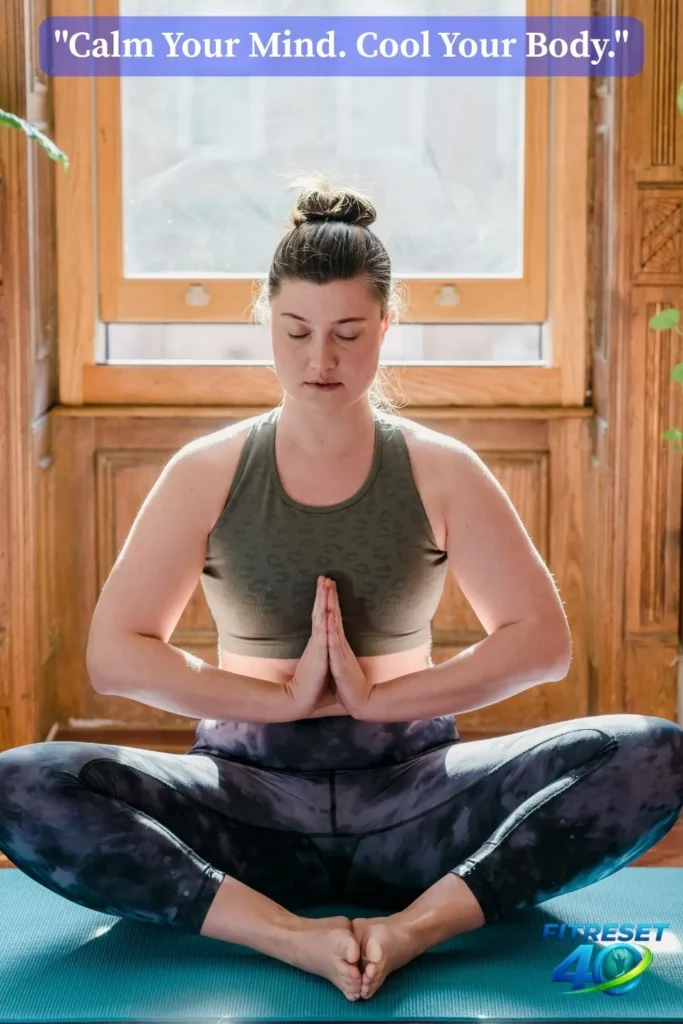
Here is something most wellness articles skip: stress and menopause have a dangerous bidirectional relationship that is critical to understand.
Chronic pressure elevates cortisol – your number one pressure hormone. Elevated cortisol suppresses estrogen production, worsens hot flashes, disrupts sleep, accelerates bone loss, promotes abdominal fat storage, and contributes to insulin resistance. Meanwhile, the hormonal changes of menopause simultaneously make your nervous system more reactive, so stressors that never used to affect you suddenly feel completely overwhelming.
This is a trap. And breaking out of it is central to the 7 natural ways to manage menopause symptoms effectively over the long term.
Evidence-primarily based totally mind-frame tools:
Diaphragmatic breathing (slow belly breathing) activates the parasympathetic nervous system – your “rest and digest” mode – within seconds of practice. One particularly effective technique is 4-7-8 breathing: inhale slowly for 4 seconds, hold for 7 seconds, exhale completely for 8 seconds. Practice this when you feel a hot flash beginning. Many women find that slow breathing significantly reduces both the intensity and the duration of hot flashes by modulating the nervous system response that triggers them.
Mindfulness meditation practiced for as little as 10 minutes per day has been clinically shown to reduce anxiety, improve mood, and decrease the perceived severity of hot flash discomfort. You do not need to meditate for an hour or sit in a lotus pose. Guided meditation apps like Insight Timer (free), Calm, or Headspace make it completely accessible for beginners.
Cognitive Behavioral Therapy – CBT – is worth a specific mention because it is not just for anxiety disorders. CBT-based programs specifically designed for menopause management have shown remarkable results in multiple clinical trials: significantly reduced hot flash distress, improved sleep, and meaningfully reduced psychological burden of the transition. Look for menopause-specific CBT programs or a therapist with experience in women’s midlife health.
Expressive journaling is a deceptively simple tool. Five minutes of free-writing in the morning – without editing, without structure, without judgment – helps process the complex emotional landscape of midlife: identity shifts, changing relationships, grief about what is ending, and genuine excitement about what is emerging. Consistent journaling practice can meaningfully improve mood regulation and reduce rumination.
6. Explore Evidence-Informed Herbal Supplements
Among the 7 natural menopause treatments that really work, herbal supplementation is one area where the evidence varies significantly by herb. Some are genuinely promising with consistent research support. Others are widely marketed but poorly studied. Here is an honest, balanced rundown.
Black Cohosh is one of the most studied herbal supplements for menopause and is recommended by some menopause organizations for short-term symptom relief. Multiple studies support its ability to reduce hot flash frequency and improve mood. It is generally recommended for use for up to six months and is not appropriate for women with liver conditions.
Red Clover contains isoflavones that function similarly to phytoestrogens and has shown moderate evidence for reducing hot flash frequency. It is generally well-tolerated and may be particularly helpful for women who cannot eat significant quantities of soy.
Ashwa gandha is an adapt organic herb with growing research support for stress reduction, cortisol regulation, thyroid function support, energy improvement, and anxiety relief. It is emerging as one of the more promising supplements for the broader constellation of menopause-related challenges, particularly fatigue and mood symptoms.
Valerian Root has a long traditional use for sleep support. Research suggests it may help with sleep onset and reduce nighttime waking – directly addressing natural remedies for menopause fatigue caused by poor sleep quality.
Evening Primrose Oil contains gamma-linolenic acid, an omega-6 fatty acid that some women find helpful for hot flashes and vaginal dryness. The evidence base is still developing, but it is generally well-tolerated.
Maca Root is a Peruvian adaptogen gaining interest in women’s hormonal health research. Early studies suggest potential benefits for libido, mood stability, and energy during menopause, though larger-scale trials are still needed.
Always choose supplements from brands that use third-party testing for purity and potency. Look for USP, NSF International, or Consumer Lab certification on product labels.
Consumer Lab supplement testing
7. Build and Protect Your Community and Social Connections
This final strategy is the most frequently overlooked in health content about menopause – and mounting evidence suggests it is able to be one of the most powerful.
The research on social connection and menopause outcomes is striking. Women who have strong social support networks report significantly fewer severe menopausal symptoms, substantially lower rates of depression and anxiety, meaningfully better sleep quality, and a far more positive subjective experience of this life transition. Isolation, by contrast, amplifies every symptom and every fear, often creating a downward spiral.
What building menopause community looks like practically:
Find your people. Online groups, local support groups, and communities specifically designed for midlife women are growing rapidly across the United States. Organizations like the Menopause Society, Let’s Talk Menopause, and dozens of online communities offer connections with women who recognize precisely what you’re navigating. Knowing you are not alone is genuinely therapeutic at a neurological level.
Be sincere with the humans for your life. Many women suffer through menopause in complete silence – at home, at work, with close friends. You do not have to make it your entire personality or announce it to the world, but sharing authentically with a trusted partner, a close friend, or a supportive colleague can dramatically reduce the emotional and mental burden of the transition.
Work with a healthcare provider you genuinely trust. Finding a menopause-informed OB-GYN, a certified menopause practitioner, or a functional medicine doctor who listens carefully, explains clearly, and treats you as a collaborator in your care is invaluable. The Menopause Society (formerly NAMS) maintains a menopause practitioner finder at their official website that is an excellent starting resource. The Menopause Society
Consider expert mental support. Menopause frequently arrives alongside significant concurrent life changes – children leaving home, aging parents requiring care, career transitions, relationship shifts, and identity questions that have been deferred for decades. A therapist, counselor, or certified menopause coach who specializes in midlife women’s experiences can help you navigate this terrain with clarity, agency, and genuine resilience.
Putting It All Together – Your 4-Week Natural Menopause Action Plan
One of the biggest mistakes women make when discovering a list like this is attempting to implement everything simultaneously. The result is usually overwhelm, inconsistency, and eventual abandonment of all the strategies. Instead, try this graduated 4-week approach:
Week 1 – Focus on Food: Begin adding phytoestrogen-rich foods daily. Increase omega-three intake. Reduce caffeine by 50 percent and alcohol to two or fewer drinks per week. Pay attention to your symptom patterns. 10 Minutes Daily Workout to Stay Fit After 40
Week 2 – Add Movement: Commit to a 20-minute day by day walk. Add two strength training sessions using bodyweight exercises or light weights. Notice your strength stages at some point of the day.
Week 3 – Upgrade Your Sleep: Implement your cool bedroom setup – fan, breathable sheets, consistent room temperature. Establish a 30-60 minute wind-down ritual. Set a steady bedtime and wake time.
Week 4 – Build Your Stress Toolkit: Download a meditation app and exercise 10 mins daily. Start a 5-minute morning journal. Research one local or online menopause community and introduce yourself.
By the end of this month, you will have built a comprehensive lifestyle framework that addresses the 7 natural ways to manage menopause symptoms from multiple physiological angles simultaneously. The combined effect of these strategies working together is substantially greater than any single intervention alone.
Frequently Asked Questions (FAQs)

Q1: Can lifestyle changes really make a significant difference in menopause symptoms?
Yes – and the evidence is clear and consistent. Research shows that dietary changes, regular exercise, sleep optimization, and stress management can meaningfully reduce the frequency and severity of hot flashes, fatigue, mood swings, sleep disruption, and brain fog. These are not placebo effects – they are measurable, physiological responses to targeted lifestyle intervention. The degree of improvement varies among women, but virtually every woman who commits consistently to these strategies experiences meaningful benefit.
Q2: How long does it take to see results from natural menopause strategies?
Most women notice improvements in energy and mood within 2-4 weeks of consistent dietary and exercise changes. Hot flash reduction from phytoestrogen-rich foods typically takes 4-8 weeks of daily consumption. Sleep improvements often appear within 2 weeks of consistent sleep hygiene practices. Stress management benefits can appear within days of beginning a breathing or meditation practice. Patience, commitment, and consistency are the essential ingredients.
Q3: Are natural remedies safe if I am already on prescription medication?
This depends entirely on the specific remedies and medications involved. Food-based strategies are generally very safe for most women. Herbal supplements, however, can interact with common medications including blood thinners, antidepressants, thyroid medications, and others. Always speak any new complement together with your prescribing medical doctor earlier than starting. I am not a doctor, and this article is not medical advice – personalized guidance from your healthcare provider is essential.
Q4: What are the best natural remedies for menopause fatigue specifically?
The most effective natural approaches for menopause fatigue include regular aerobic exercise (which directly improves mitochondrial energy production), optimizing sleep quality and duration, addressing magnesium and vitamin D deficiencies through food and supplementation, managing chronic stress to lower cortisol levels, and supporting blood sugar stability through low-glycemic eating patterns. Ashwagandha is also showing early but promising evidence for energy support during menopause. Combinations of these approaches are significantly more effective than any single strategy.
Q5: Can I go through menopause without any symptoms at all?
Some women do experience very mild symptoms that do not significantly disrupt daily life, and lifestyle factors appear to play a significant function in this. Women who maintain a healthy weight, exercise regularly, do not smoke, eat a predominantly plant-rich diet, and have strong social support networks tend to report easier transitions on average. Genetics additionally play a vast role. While you cannot guarantee a symptom-free experience, your lifestyle choices genuinely and measurably influence the severity of your experience.
Q6: When should I see a doctor about my menopause symptoms?
Consulting your healthcare provider is always a good idea when navigating menopause – not only when things feel urgent. Specific situations that call for prompt medical evaluation include symptoms that are severely impacting your quality of life, very heavy or irregular bleeding during perimenopause, the appearance of menopause symptoms before age 40 (which may indicate premature ovarian insufficiency), or natural strategies that are not providing adequate relief after several consistent weeks of implementation. Your provider can discuss all available options including hormone therapy based on your complete personal health history. Please do not use this article as a substitute for professional medical evaluation.
Q7: Are there specific foods that reliably make menopause symptoms worse?
Yes, and the patterns are well-documented. Common dietary triggers include spicy foods, caffeine (particularly in the afternoon and evening), alcohol, processed sugars, and refined carbohydrates. Many women find that keeping a detailed food and symptom journal for two to three weeks reveals their own personal trigger patterns – everyone’s physiology is slightly different. What triggers severe hot flashes in one woman may have no effect on another.
Q8: Is it possible to delay the onset of menopause naturally?
Research suggests that certain lifestyle factors correlate with later natural menopause onset at a population level. Smoking is always related to menopause in advance. A diet higher in oily fish, legumes, and whole grains has been associated with later onset in some epidemiological studies. However, these are population-level statistical associations, not individual guarantees. Genetics remain a primary determinant of timing. The more useful frame is not delaying menopause but maximizing hormonal and overall health throughout the entire midlife transition.
A Final Word – To Every Woman Reading This
Menopause is one of the most significant transitions a woman’s body and identity will ever navigate. It deserves to be taken seriously – with real, accurate information, practical strategies grounded in evidence, and genuine compassion for the complexity of what you are experiencing.
The 7 natural ways to manage menopause symptoms outlined in this guide are not a collection of quick fixes or overnight solutions. They are sustainable, whole-body investments in your long-term health, vitality, and quality of life. They are built on respect for your body’s intelligence and its remarkable capacity to adapt, heal, and thrive whilst given the proper support.
You aren’t falling apart. You aren’t broken. You are changing – and change, even when it is genuinely difficult, is not the end of anything. For many women, the post menopause years become some of the most productive, creative, self-assured, and deeply satisfying of their entire lives.
With the right strategies – nutritional, physical, emotional, and professional – this chapter can become one of the most empowered of your life. Office on Women’s Health
Reminder: I am now no longer a doctor. Please work with a qualified healthcare provider who understands and respects the menopause experience to build a plan that is personalized to your specific body, health history, and goals. This article is for instructional and informational functions only.